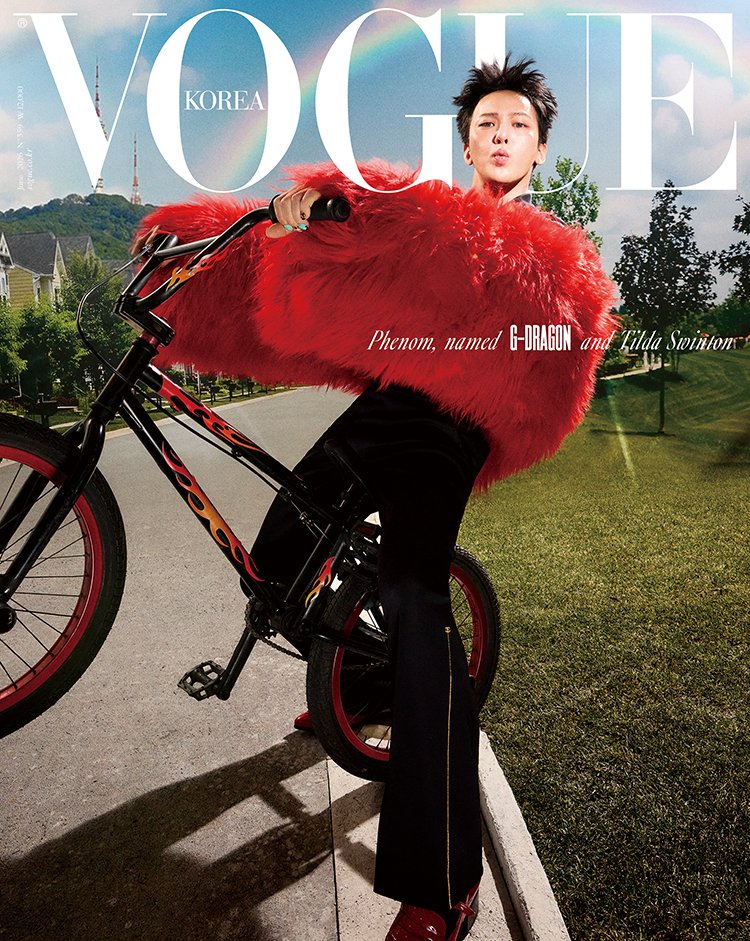
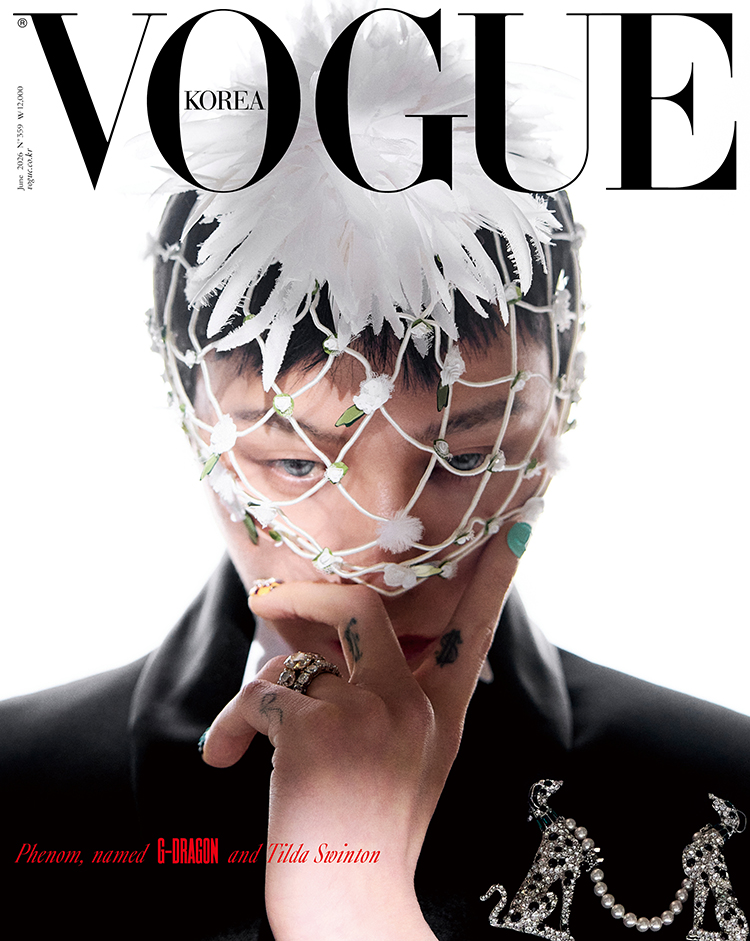

VOGUE JUNE issue 2026 (G-DRAGON BIGBANG INTERVIEW)
A person most fittingly described as an artist. Through creation, G-DRAGON goes beyond exchanging influence with the world — he carries responsibility and dreams alongside it.I want to ask about originality. As an artist representing K-pop, you’ve continued expanding the name “G-DRAGON (GD)” across fashion, music, and culture as a whole. Rather than adapting yourself to labels or predefined forms, it seems like there’s an internal energy constantly driving you forward. What is the source of that movement?
I never really started with a fixed direction or philosophy in mind. In a way, it was simple — I think I just had good habits. Before debuting, there were no right answers and no data, so I just threw myself into everything. I copied things, had role models, experienced things firsthand, filtered out what didn’t fit, learned what I could, and created what I wanted to create. Over time, only the things that naturally remained became part of me. So I never really tried to be “different” on purpose. But because I kept building things that way, even when the genre or visuals changed, people seemed to accept it naturally without feeling disconnected. I’ve never been good at doing things exactly the same way. It’s the same when I make music, and it’s the same on stage. During performances, the melody, style, and arrangement all change depending on the atmosphere and my condition that day. I think that’s become second nature to me. I also think a lot all the time, so I come up with many ideas — but I constantly filter and refine them. That’s just part of my personality, and eventually it became the way I work.
Good habits really are important. As an artist, what is the ultimate thing you want to achieve?
In the past, my personal dreams and goals were bigger. But now, my perspective has widened. As I’ve gotten older and times have changed, I can feel in real time how people influence one another. So now, I want to give as much positive influence as I can within the reach I have. Rather than leaving behind records or achievements, I hope that 20 or 30 years from now, people will simply look back and think, “That was cool.” Not just in Korea, but overall. Just like I was influenced by great seniors and came this far, I hope that flow continues into the next generation too. When I see talented juniors, I wish people could naturally say, “They’re cool” or “They’re amazing,” instead of turning it into competition or comparison. Ultimately, I just hope the influence I leave behind moves in a positive direction within whatever range I can reach.
I’d like to talk more about your music. Watching your recent collaborative performances of different scales, it felt like you leave room for even the texture of the original song to be completely transformed on stage. As songs continue expanding through various performances and collaborations, it almost feels as if the music is “multiplying” rather than staying in one fixed form. Do you think about this expansion from the beginning when creating music, or does it naturally evolve during the process? Also, what remains unchanged, and what stays flexible?
I think it’s all of those things. Sometimes I intentionally create something for a specific stage or situation, and sometimes things naturally end up fitting anyway. Whether it’s a stadium, music show, club, or small theater, the way you express music changes depending on the space, so the music itself can keep changing too. These days, when I go on tour, I travel with a live band, and we completely change the speed or mood of songs. Fast songs can become ballads, and ballads can become fast songs. Even a song like “Untitled” could be rearranged into something upbeat. So rather than calculating expansion from the start, I think I’m closer to constantly adapting things to the moment and situation. But there is one standard that never changes: the song itself has to be good. If a song is good, it survives no matter where or how it’s performed. Whatever the format is, the center is always the song itself. And when I work, I consider everything a record. Even years later, the choices should still make sense. That’s why I can’t do things carelessly. If it’s my part, I have to take responsibility for it until the end. If I’m going to do it anyway, I want to do it properly. I’m not interested in meaningless work. That’s why things tend to take me a long time.
Recently, you’ve been collaborating with artists across many genres. Rather than simple featuring projects, it feels more like you’re “sharing” the stage with artists who each have their own independent worlds. What kind of expectations do you carry into these collaborations?
Like I mentioned earlier, there’s usually some kind of connection or shared wavelength. And there’s also a sense of responsibility. Even outside of music — whether it’s art or fashion — when I see people doing amazing work in their own fields, I want to introduce them to others. It’s kind of like discovering a great restaurant that isn’t famous yet — you naturally want to tell people about it. I think I have a similar instinct. I’m not necessarily someone who discovers and produces artists, but I can still introduce people through my stage. So while some performances might look like an “event” to others, for me, it’s more important that the stage becomes a medium to showcase that artist. And I’ve never been very afraid of trying something for the first time. If anything, I’ve done that kind of thing constantly. Usually, the loudest reactions only happen at the beginning anyway. At the end of the day, what matters is how solid someone is in their own field. Someone who cooks well will cook well anywhere. Someone who designs clothes well will do well in any brand. Someone who sings well will sound good anywhere. So I tend to focus more on the person than the genre itself. Beatboxers, b-boys, dancers — they’re all incredible artists too, but I feel there still aren’t enough opportunities for those genres to be shown in diverse ways. So I’ll think, “It’d be fun to try something together on stage.” Then when a moment comes where I think, “This would work really well with this person,” I naturally bring it to life on stage. In the end, it becomes something that benefits both sides. It’s similar when performing overseas. Whenever I visit another country, I keep thinking about ways to become even a little closer to that place. When foreign artists greet audiences in Korean or sing even a short part of a Korean song, it feels really meaningful, right? So when I perform abroad, I try to reflect the local culture or language even a little bit too. I think that matters a lot to fans. At the end of the day, when people genuinely like each other, they naturally become closer. That’s why fans even learn Korean. So these collaborations and attempts are all connected in the long run. If something has to be done anyway, it’s important to make it more meaningful. Big or small — if there’s meaning in it, that’s enough.
Watching you shoot today wearing the Chanel collection, it felt like the craftsmanship, detail, and persistence accumulated by artisans over a long period of time were very clearly expressed. At the same time, there was also humor and wit naturally embedded throughout the collection. In that sense, it reminded me of your own work — maintaining meticulous detail while keeping a flexible sensibility in music and performances. While working with this collection, what kind of sensory connection did you feel?
I’ve loved clothes since I was young, so fashion is simply something I genuinely enjoy. That’s why I keep doing photoshoots too. It’s not something you can do just because someone tells you to. Fundamentally, I like flashy things, but adding more and more isn’t what makes something stylish. Knowing how to take things away is more important. That’s what I felt from Chanel. This brand understands that. Every season, the themes change, but there’s always a clear standard underneath it all — the fabrics, details, finishing touches. Because those fundamentals are so deeply built in, you can feel the difference even without seeing the logo. It’s like a state that no longer requires explanation. Rather than following trends, it feels like the standard is already complete, and they simply continue creating variations within it. Sometimes it almost feels like Chanel doesn’t even follow trends at all — they just continue in their own way. I think that’s what real style is. Being stylish when you try to be stylish is one thing, but still being stylish even when you’re not trying — that’s different. Chanel understands that. And maintaining that is the hardest part, but Chanel continues to do it. Even the attitude that has continued since Coco Chanel still remains today. That’s why the strongest feeling I get from Chanel is that it truly “understands style.”
Have you been imagining anything a lot lately?
I imagine things often, but I don’t usually think too far ahead. These days, I mostly think about projects and plans coming up in the near future. Lately, honestly, my mind has been filled with thoughts about BIGBANG performances. Until it actually happens, I keep repeating, “How should we do this?” And once one performance is over, I immediately start thinking about what to do next. This year is also BIGBANG’s 20th anniversary, so my head is completely full of thoughts like, “How can we make this truly worthy of a 20th anniversary?”
2026 年 6 月号 VOGUE (G-DRAGON)
“アーティスト”という肩書きが最もよく似合う人。G-D RAGONは、創作を通して世界と影響を与え合うだけで なく、その責任感と夢も共に抱えている。
オリジナリティについて伺いたいです。K-POPを代表す るアーティストとして活動を続けながら、ファッション、 音楽、カルチャー全般に「G-DRAGON(GD)」という 名前を刻んできました。呼ばれる名前や形式に自分を合 わせるというより、内面に自分を突き動かすエネルギー があるように見えます。その原動力は何でしょうか?
最初から何か考えや方向性を決めて始めたわけではありま せん。ある意味すごくシンプルなんですが、良い習慣が あったんだと思います。デビュー前って正解もデータも ない状態だから、とにかく全部ぶつかってみるんです。 真似もしてみるし、ロールモデルもいて、経験しながら 不要なものは削って、学ぶものは学んで、作るものは作 って……そうして自然に残ったものだけが今の自分にな った感じですね。だから、むしろ「違って見せよう」と 努力したことはないんです。そうやって積み重ねてきた から、ジャンルやビジュアルが変わっても、人は違和感 なく受け入れてくれるんだと思います。僕はもともと同 じことを繰り返すのが得意じゃないんですよ。曲を作る 時もそうだし、ステージも同じです。公演ではその日の 空気感やコンディションによって、メロディやスタイル がずっと変わるし、編曲も変わります。それが習慣みた いに体に染みついているんだと思います。普段から考え ることが多いのでアイデアもたくさん浮かぶんですが、 その代わり何度も削って選び抜きます。それが自分の基 本的な性格で、結果的に今の制作スタイルになりました。
やはり良い習慣は大切な徳目ですね。アーティストとし て最終的に成し遂げたいことは何ですか?
以前は個人的 な夢や目標のほうが大きかったけれど、今はもっと範囲 が広がりました。年齢を重ねて時代も変わり、お互いが 与え合う影響をリアルタイムで感じるようになったから です。だから今は、自分にできる範囲で、届く範囲の中 で、できるだけ良い影響を与えたいと思っています。何 かの記録として残ることよりも、20年後や30年後に振 り返った時、「かっこよかった」と思ってもらえたら嬉 しいです。韓国だけでなく、全体として。僕も良い先輩 たちから影響を受けてここまで来たように、次の世代に もそういう流れが続いてほしいし、実力のある後輩を見 た時も、競争や比較ではなく自然に「かっこいい」「す ごい」と言えるようでありたいです。結局、自分が影響 を与えられる範囲の中で、できるだけポジティブな方向 に作用してほしいと思っています。
音楽制作についても 聞かせてください。最近、さまざまなスケールのコラボ ステージを見ながら、ステージ上で原曲の質感が完全に 変わることさえ許容している印象を受けました。一つの 曲が多様なステージやコラボを経て拡張され続ける過程 を見ていると、その音楽が一つの形に留まらず、“増殖” していくようにも感じます。最初からそうした拡張性を 考えて制作しているのでしょうか。それとも、その過程 で自然に変化していくのでしょうか? また、変わらな い核心と、柔軟に開いている要素は何ですか?
全部当て はまる気がします。意図的に特定のステージや状況に合 わせて作ることもあるし、そうじゃなくても結果的に自 然と合っていくこともあります。スタジアムなのか、音 楽番組なのか、クラブなのか、小劇場なのかによって表 現方法が変わるから、音楽自体もずっと変化し続けられ るんです。最近はツアーでライブバンドと一緒に回りな がら、曲のテンポや雰囲気を完全に変えることもありま す。速い曲をバラードに変えたり、逆にバラードを速く したりもできますし、「無題」みたいな曲もアップテン ポに編曲できます。だから最初から拡張性を計算して作 るというより、その時々の状況に合わせて変えていく感 覚に近いですね。でも変わらない基準ははっきりありま す。“曲が良くなければならない”ということ。曲が良け れば、どこでどう歌っても結局は残るじゃないですか。 どんな形式でも中心にあるのは結局“曲そのもの”なんで す。それから僕は、制作する時にすべてを“記録”だと考 えています。後から聴いても、その選択に納得できなき ゃいけない。だから適当にはできません。自分のパート なら最後まで責任を持たなきゃいけないでしょう。どう せやるならちゃんとやりたいし、意味のない作業はあま り好きじゃないんです。だから時間もかかるほうですね。
最近はさまざまなジャンルのアーティストとコラボして います。単なるフィーチャリングを超えて、それぞれ独 自の世界観を持つアーティストたちとステージを“共有” している印象があります。どんな期待を持ってそうした コラボに臨んでいますか?
さっきお話ししたように、基 本的には感覚が通じる部分があるんです。それに少し責 任感みたいなものもあります。音楽じゃなくても、美術 でもファッションでも、それぞれの分野で本当に上手く やっている人を見ると、紹介したくなるんですよ。例え ば飲食店でも、有名じゃなくても美味しい店があれば誰 かに教えたくなるじゃないですか。僕にはそういう感覚 があるんだと思います。自分がアーティストを発掘して プロデュースする立場ではないけれど、自分のステージ でその人たちを紹介することはできますよね。だから、 あるステージではイベントのように見えるかもしれない けれど、僕にとってはその舞台が、そのアーティストを 見せる一つの媒介になることのほうが大事なんです。そ れに僕は“初めての挑戦”をあまり怖がらないんです。む しろそういう試みをたくさんしてきたし、 最初こそ世間 はざわつくものの、すぐにそれが当たり前のことになる と思っています。結局大切なのは、その人が自分の領域 でどれだけ確かな存在かじゃないですか。料理が上手い 人はどこでも上手いし、服作りが上手い人はどんなブラ ンドに行っても結局上手い。歌が上手い人はどこでもち ゃんと歌える。だから僕はジャンルより“その人自身”を 見るほうです。ビートボクサーやB-boy、ダンサーたち もみんな素晴らしいアーティストなのに、まだそういう ジャンルが十分に表に出る機会が少ないと感じるので、 ステージで一緒にやったら面白そうだなと思うんです。 そして「この人とこうやったら面白いかも」と思った瞬 間、それを自然にステージで表現します。結果的にはお 互いにプラスになる形になります。海外公演でも同じで す。その国へ行ったら、その国に少しでも近づける方法 を考え続けますよね。海外アーティストが公演で韓国語 で挨拶したり、韓国の曲を少しでも歌ってくれると嬉し いじゃないですか。だから僕も公演の時、その国の文化 や言葉を少しでも取り入れようとしています。それって ファンにとってすごく大事な部分だと思うんです。結局、 お互い好きになれば距離は縮まるから。ファンが韓国語 を学ぶのもそういう理由ですよね。だからこういうコラ ボや試みも、長い目で見れば全部つながっている過程な んです。どうせやるなら、少しでも意味のある形でやる ことが大事。大きくても小さくても、その中に意味があ れば十分です。
今日、Chanelのコレクションを着て撮 影している姿を見ながら、長い年月をかけて積み上げら れたノウハウやディテール、それを最後まで貫く姿勢が はっきり伝わってきました。同時に、コレクション全体 にユーモアやウィットが自然に溶け込んでいる点も印象 的でした。そういう意味で、音楽やステージ制作におい て細部まで徹底しながらも柔軟な感覚を持ち続けてきた GDの仕事とも重なる気がします。今回このコレクショ ンを着て撮影しながら、どんな感覚的な接点を感じまし たか?
子どもの頃から服が好きだったので、ファッショ ンは単純に“好きだからやっていること”なんです。だか らずっと雑誌の撮影の仕事もしているし、誰かに言われ てできることじゃないですよね。基本的に派手なものは 好きだけれど、足していくだけが“かっこよさ”じゃない んです。引き算ができることのほうが大事。その感覚を シャネルから感じました。このブランドはそれを理解し ている。シーズンごとにテーマは変わるけれど、その中 に変わらない基準がはっきりあるんですよ。素材、ディ テール、仕立てとか。そういう基本が積み重なっている から、ロゴがなくても着た瞬間に“違う”と感じる。説明 が必要ない状態というか。トレンドを追いかけるんじゃ なくて、すでに完成された基準があって、その中で変奏 を続けている感じなんです。だから逆に“トレンドがない” と感じるくらい、いつもそのやり方を貫いている。僕は それが本当にかっこいいと思います。かっこつけていて もかっこいいし、かっこつけていなくてもかっこいい状 態。シャネルはそれを知っているブランドですよね。そ れを維持するのが一番難しいのに、シャネルはずっとや り続けている。Coco Chanelの時代から続くその姿勢自 体が今まで残っているのもそうです。だから僕は、シャ ネルには“本当にかっこよさを知っている”という印象を 一番強く感じます。
最近よくする想像はありますか?
想像はよくするけれど、あまり遠くまでは考えないほうで す。今は近い将来に予定していることをよく思い浮かべ ています。最近はずっとBIGBANGのステージのことば かり考えています。やる前まではずっと「どうしようか」 を繰り返して考えるタイプなんです。そして一度やった ら、次はまたどうするかを考え続ける。今年はBIGBAN Gの20周年でもあるので、「どうすれば20周年らしくで きるだろうか」と、そんなことで頭がいっぱいの状態で すね。
'Magazine Interview' 카테고리의 다른 글
| W KOREA JUNE issue 2026 (CORTIS INTERVIEW) (0) | 2026.05.29 |
|---|---|
| BAZAAR JUNE issue 2026 (JUNGKOOK BTS INTERVIEW) (0) | 2026.05.29 |
| ESQUIRE MAY issue 2026 (J-HOPE BTS INTERVIEW) (0) | 2026.05.08 |
| DAZED & CONFUSED MAY issue 2026 (ENHYPEN INTERVIEW) (0) | 2026.04.29 |
| MARIE CLAIRE MAY issue 2026 (STRAY KIDS LEE KNOW INTERVIEW) (1) | 2026.04.24 |


